
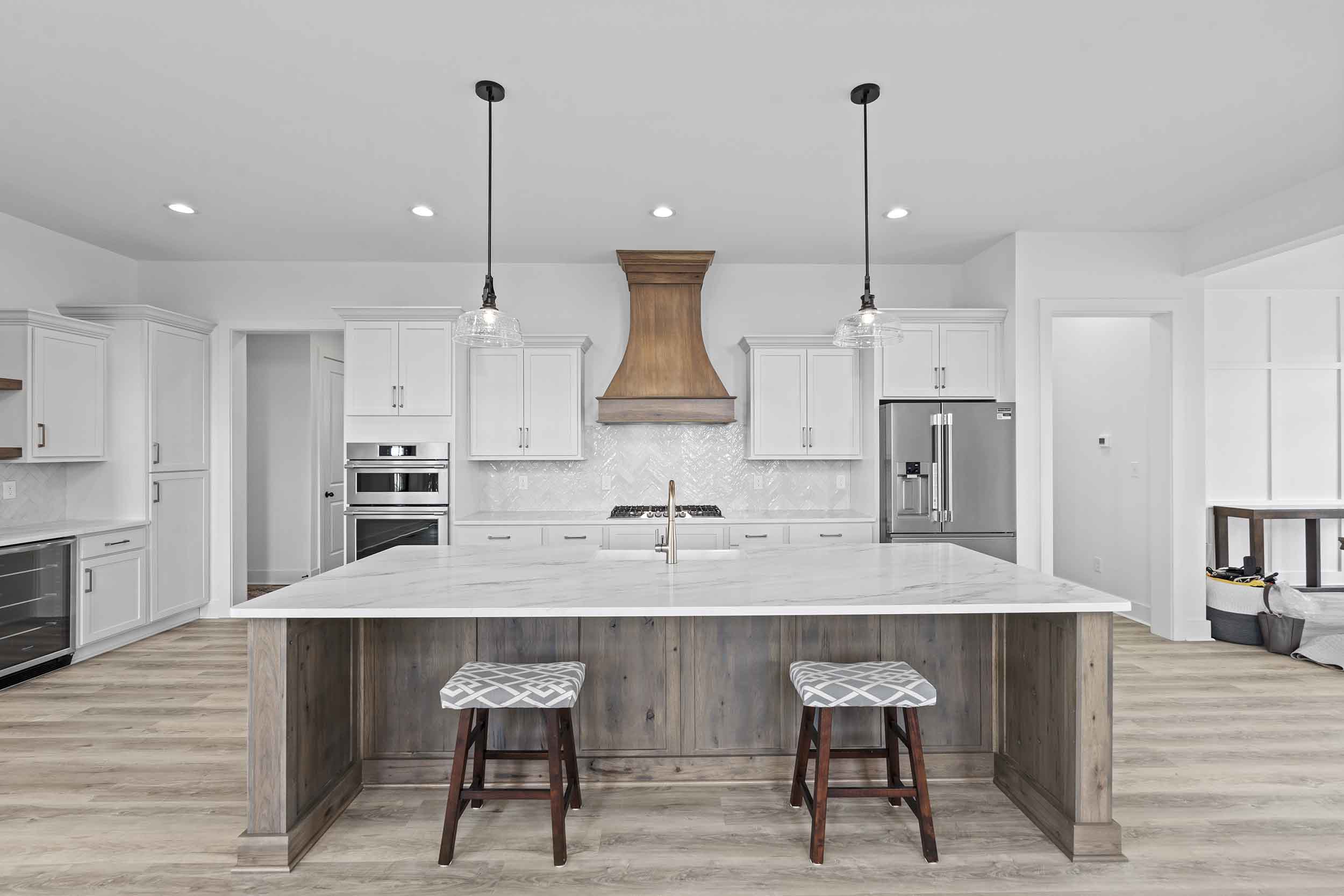
Choosing a custom home builder is the most important decision you’ll make on the road to your dream home. The right partner translates inspiration into structure, coordinates design with budget, manages hundreds of moving parts, and delivers craftsmanship that lasts for decades. In this guide, we’ll cover how custom building works, what drives cost and schedule, how to avoid common pitfalls, and why a design-build custom home builder like Milam Homes is uniquely set up to deliver clarity, speed, and quality.
What a Custom Home Builder Really Does
One Point of Accountability
A great custom home builder serves as your single source of truth—aligning architecture, engineering, selections, permitting, scheduling, and field execution. Instead of juggling multiple vendors, you work with one integrated team from day one.
Translating Vision Into Buildable Plans
Pinterest boards are a start. Your builder turns them into drawings, specs, and a sequence of work that respects structure, local code, energy performance, and real-world availability of materials.
Budget & Schedule Control
With design and construction under one roof, your custom home builder can estimate accurately, order long-lead items early, and protect your timeline with realistic milestones.
The Custom Home Journey (Step by Step)
1) Discovery & Feasibility
- Define goals, style, square footage, must-haves, and nice-to-haves.
- Evaluate lots for topography, utilities, setbacks, and orientation.
- Establish a preliminary range for budget and schedule.
2) Concept Design & ROM Budget
- Draft floor plans and elevations that reflect your lifestyle.
- Provide a Rough Order of Magnitude budget with clear cost drivers (span lengths, kitchen/bath count, exterior complexity).
- Right-size early to avoid redesign later.
3) Design Development & Selections
- Refine layouts and elevations; plan window schedules, cabinet lines, and lighting.
- Make curated selections with tiered “good/better/best” options.
- Keep a live estimate so each decision stays on budget.
4) Permitting & Pre-Construction
- Finalize drawings and engineering.
- Submit permits; order long-lead items (windows, doors, appliances).
- Build a detailed schedule and site logistics plan.
5) Sitework & Foundation
- Clearing, grading, utilities, and erosion control.
- Footings and foundation pours with moisture and insulation details dialed in.
6) Framing, Shell & Dry-In
- Structural framing; windows/doors; roofing; WRB flashing; exterior cladding prep.
- Energy details (air sealing, insulation plan) coordinated with MEP rough-ins.
7) Rough-Ins & Insulation
- Plumbing, electrical, HVAC laid out to fit cabinetry and lighting plans.
- Insulation (often hybrid strategies) to hit comfort and efficiency targets.
8) Drywall, Trim & Finishes
- Drywall, interior doors, casing, base, stair parts, built-ins.
- Cabinets, counters, tile, flooring, paint, plumbing/lighting trims.
9) Commissioning & Closeout
- Systems tested and balanced; punch list completed.
- Final walkthrough with a homeowner manual and warranty support.
Design-Build vs. Design-Bid-Build
Why Design-Build Wins for Most Families
- Fewer surprises: Estimating and design happen together.
- Faster starts: Long-lead items ordered during design.
- Better fit & finish: Field teams collaborate with designers early.
- Lower stress: One contract, one schedule, one accountable custom home builder.
What Drives Cost (and How to Spend Wisely)
The Big Levers
- Square footage & spans: Larger, taller, and wider open areas increase structure/materials.
- Kitchens & baths: Cabinetry, tops, tile, and plumbing are high-impact.
- Exterior complexity: Porches, dormers, and mixed claddings add time and detail.
- Systems: Zonal HVAC, ERV/HRV ventilation, and upgraded windows boost comfort and efficiency.
Smart Tradeoffs
- Prioritize the envelope (air sealing, insulation, windows) and mechanicals first; finishes can be phased or upgraded later.
- Use “good/better/best” tiers by room—splurge in the kitchen and owner’s bath, keep secondary spaces durable and simple.
Energy Performance & Comfort (That You’ll Feel Every Day)
Envelope First
Air sealing, continuous exterior insulation, and high-performance windows keep temperatures even, reduce drafts, and lower utility bills.
Right-Sized HVAC
Manual J/S/D calculations, ductwork inside conditioned space where possible, and balanced ventilation (ERV/HRV) create clean, quiet comfort.
Details That Matter
Thermal breaks at slabs, advanced flashing at penetrations, and proper attic ventilation protect your structure for the long haul—hallmarks of a meticulous custom home builder.
Interior Planning for Real Life
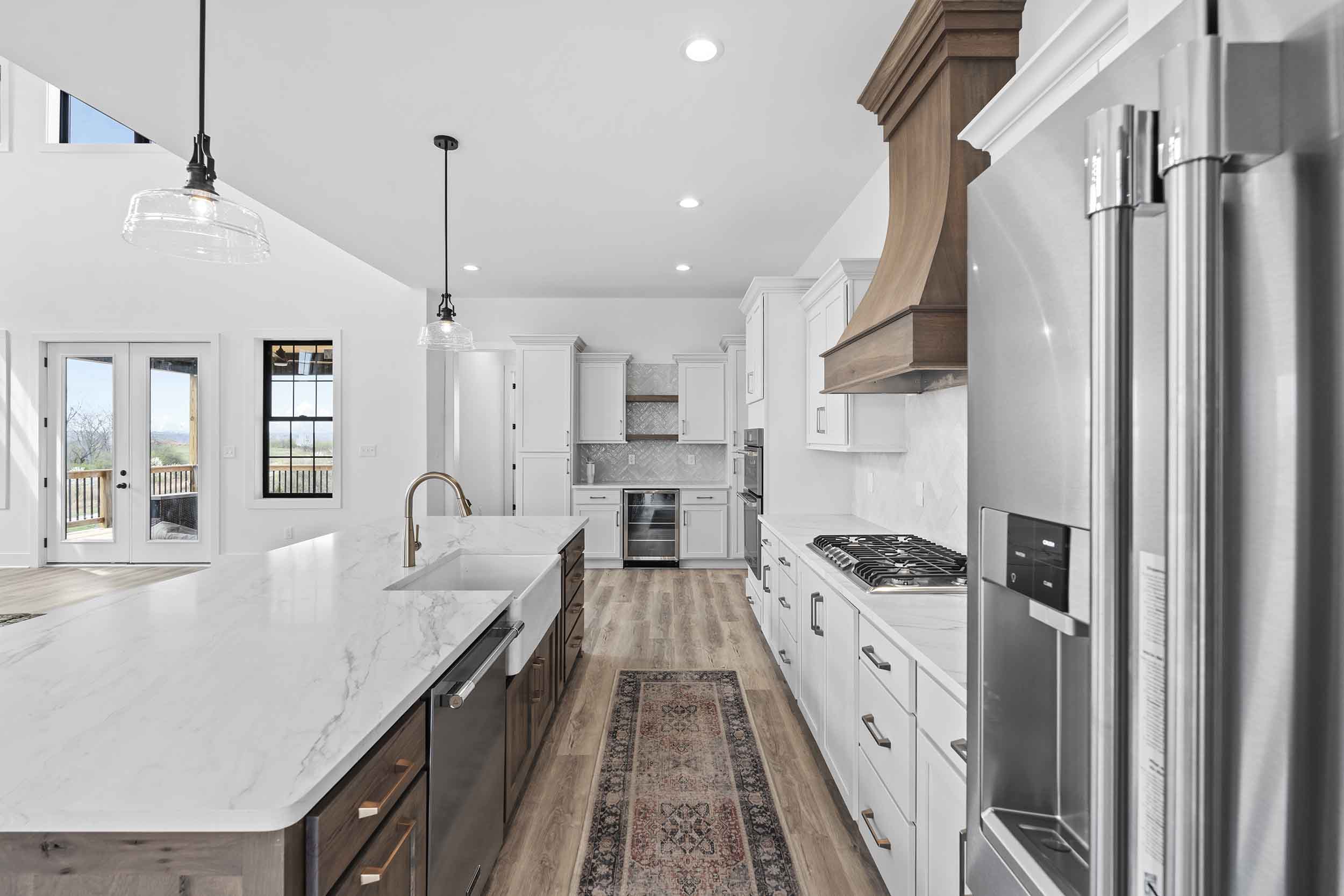
Kitchen Workflow
- Zones for prep, cook, clean, and serve.
- 42–48″ aisles, countertop landing zones, and pantry access.
- Lighting layers: ambient, task, and accent.
Owner’s Suite & Baths
- Privacy from public zones; laundry adjacency if desired.
- Waterproofing and ventilation that protect finishes and air quality.
Storage & Mudroom
- Lockers, benches, and charging drawers tame daily mess.
- Thoughtful closets reduce furniture needs and keep rooms calm.
Flex Spaces
- Office/guest suite, hobby room, or fitness area wired and lit for adaptability.
- Future-proofing with extra conduit, EV circuits, and panel capacity.
Common Pitfalls (and How to Avoid Them)
- Designing beyond budget: Calibrate early with live estimates.
- Forgetting orientation: Place glazing for views and sun control.
- Over-finishing, under-systeming: Don’t skimp on envelope or HVAC.
- Late selections: Choose early to prevent delays and change orders.
- Under-spec’d waterproofing: Showers, roofs, and decks need robust details.
A seasoned custom home builder anticipates these issues before they cost time or money.
How Long Will It Take?
- Design & selections: 6–16+ weeks (scope & decisiveness drive this).
- Permits & procurement: 3–8+ weeks (jurisdiction & lead times).
- Construction: Typically 6–10 months for most custom homes, depending on size, complexity, weather, and inspection cadence.
Your builder should provide a Gantt-style schedule and update it as milestones are hit.
Why Choose Milam Homes as Your Custom Home Builder
Integrated Design-Build
One team. One contract. A smoother path from first sketch to final clean.
Transparent Budgets
Itemized scopes, allowance clarity, and proactive value-engineering without sacrificing your vision.
Craftsmanship & Care
Clean job sites, crisp lines, airtight details, and a warranty process that stands behind the work—everything you want in a custom home builder.
FAQs
Do I need to own land first?
Not necessarily. We can help evaluate lots for suitability, utilities, and overall feasibility.
Can you work with my architect?
Yes. We’re happy to collaborate—and we can also provide full in-house design-build services.
What’s included in your warranty?
We provide clear warranty documentation at closeout and remain available for support.Call to Action:
Ready to plan your dream home? Book your free consultation today with Milam Homes and let’s turn your vision into a buildable, beautiful reality.